
The Cathars’ Heresy, the Church’s Wrath, and the Mystery of Mary Magdalene
The Cathars, Mary Magdalene, and Their Tragic Fate: A Story of Belief and Persecution
The Cathars, a religious movement that flourished in the south of France in the 12th and 13th centuries, were a spiritual community like no other. They weren’t just a “heretical” group of believers; they were seekers of truth, challenging the authority of the Catholic Church and creating a belief system that stood in stark contrast to the Church’s teachings. But their bold stance would eventually lead to their tragic persecution and execution.
At the heart of their teachings was a belief that the material world was corrupt, created by a fallen god—essentially, they viewed the physical world as something to escape from, not to worship. This belief set them apart not only from mainstream Christianity but from the very foundations of the Church. But beyond their dualistic theology, the Cathars were deeply influenced by figures like Mary Magdalene, whose life and teachings resonated with their message of spiritual purity and liberation from earthly constraints.
The Cathars and Mary Magdalene: A Spiritual Connection
For the Cathars, Mary Magdalene wasn’t just another biblical figure. She was the embodiment of true spirituality, a woman who defied societal norms and held knowledge that the Church had long tried to suppress. Cathars believed that Magdalene’s role in early Christianity had been misrepresented and overshadowed by male-dominated narratives. They saw her not as a sinner, as the Church often portrayed her, but as a powerful spiritual teacher, a “sophia,” or embodiment of divine wisdom.
Many Cathars, in their rejection of the Church’s materialism and authority, drew parallels between their own teachings and the hidden wisdom that Mary Magdalene represented. They felt an affinity with her, seeing in her a model of purity and spiritual enlightenment, much like their own goal of escaping the constraints of the physical world. This connection to Magdalene wasn’t just spiritual—it was a challenge to the patriarchal structures of both the Church and society, structures that had, in the Cathars’ view, suppressed the true teachings of Jesus and marginalized the role of women in Christianity.
A Spiritual Rebellion: The Cathars’ Beliefs and the Church’s Wrath
The Cathars’ belief system, rooted in dualism and asceticism, was both radical and refreshing to many, especially in the south of France, where the movement gained a significant following. Their rejection of the material world, their belief in the equality of men and women, and their deep connection to the divine sparked the interest of ordinary people who were disillusioned with the Church’s corruption and opulence.
But the Cathars’ teachings, especially their view of Mary Magdalene and their challenge to the Church’s authority, did not sit well with the Pope and his clergy. The Church declared their beliefs heretical, and in 1208, Pope Innocent III launched the Albigensian Crusade—a brutal military campaign aimed at wiping out the Cathars and their movement.
Over the next few decades, entire communities of Cathars were destroyed. The Church, aided by soldiers and political leaders, used violence, torture, and fear to stamp out the heresy. Those who refused to recant their beliefs were executed—burned at the stake, tortured, and publicly humiliated. But despite the violence and intimidation, the Cathars did not falter. They held on to their beliefs, their devotion to the purity that Mary Magdalene represented, and their vision of a world beyond the material.
The Last Stand: Montségur and the End of the Cathars
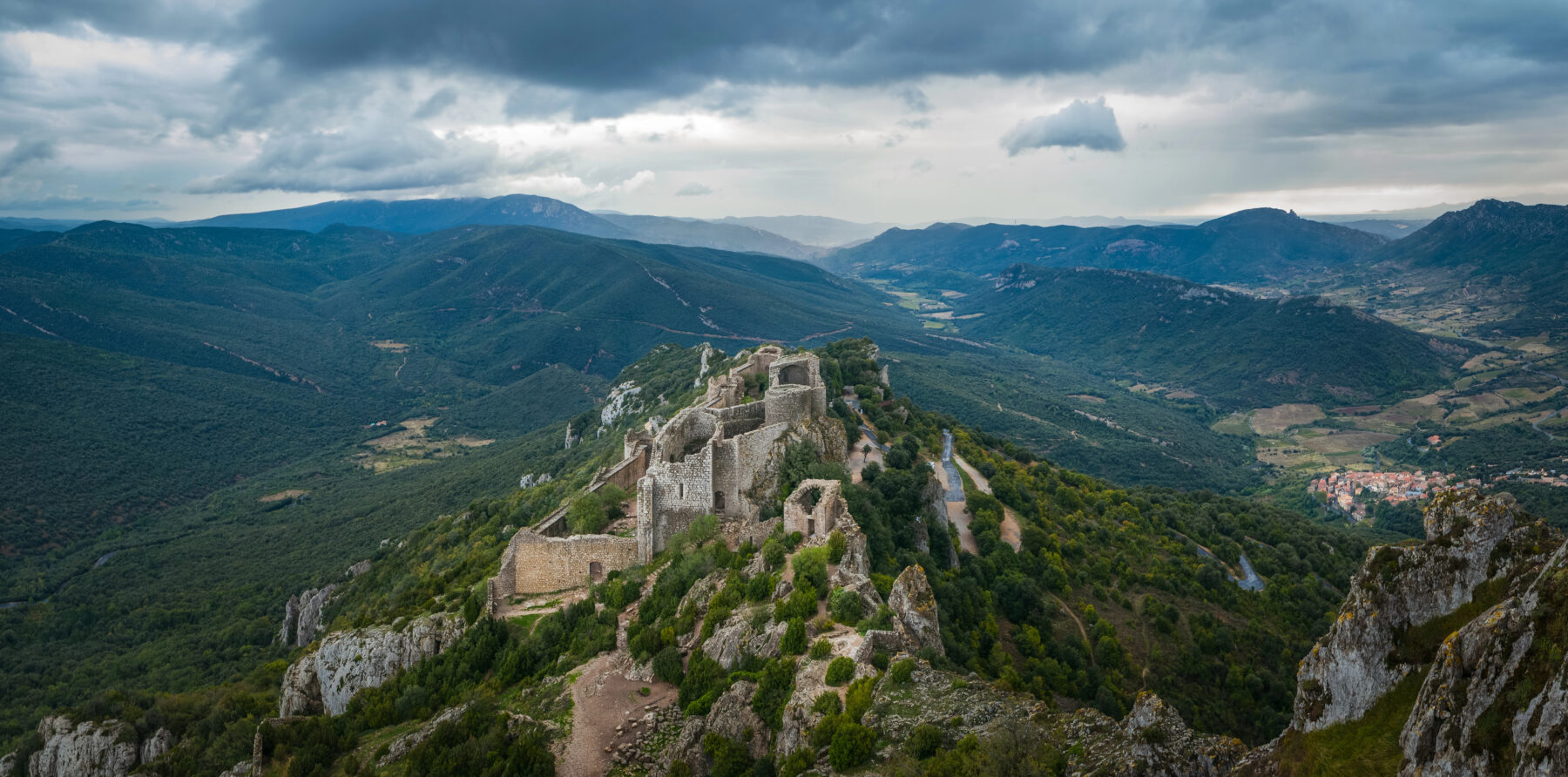
By the early 13th century, the Cathars had been largely wiped out, but their last stronghold remained in the fortress of Montségur. In 1244, after a long siege, the Cathars made a final stand against the Crusaders. The fortress fell, and those who remained were given an ultimatum: renounce their faith or face death. The Cathars, remaining steadfast in their beliefs, chose martyrdom. According to some accounts, around 200 Cathars were burned alive, their souls believed to be liberated from the chains of the material world they had rejected so fiercely.
A Legacy of Truth and Repression
Though the Cathars were silenced, their legacy lives on in the stories that still circulate about their beliefs, their connection to Mary Magdalene, and the brutal oppression they faced. Their understanding of Mary Magdalene as a figure of spiritual power, someone who transcended the limitations of the physical world, resonated deeply with later spiritual movements and continues to inspire those who question conventional religious authority.
The Cathars’ tragic fate is a testament to the power of belief and the dangers of challenging oppressive systems. It’s a reminder that spirituality, when it diverges from mainstream ideals, can be met with great resistance and, in some cases, violent persecution. Yet, like the Cathars, those who seek truth and spiritual enlightenment, much like Mary Magdalene herself, may find their path is one of resistance, transformation, and, ultimately, liberation.
In the end, the Cathars’ connection to Mary Magdalene wasn’t just about spiritual affinity—it was about a shared vision of truth that refused to be extinguished, no matter the cost.



Post a Comment