
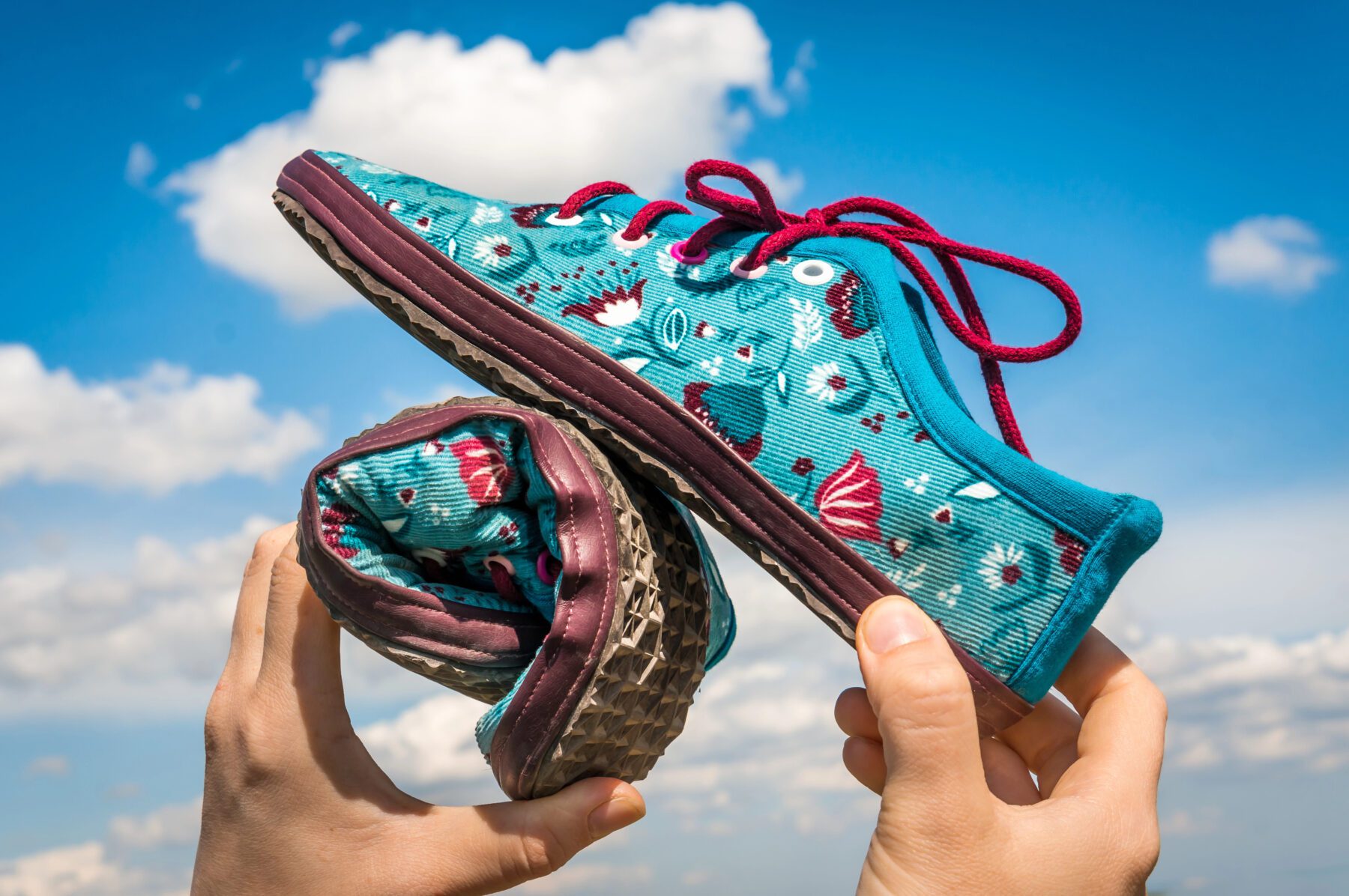
Strong Feet, Strong Self: Rebuilding Trust Through Barefoot Shoes
When was the last time you noticed your feet—really noticed them? Not just when they ache at the end of the day, or when a new pair of shoes rubs in the wrong spot, but in the quiet, grounding way that connects you to the earth beneath you.
For many of us, our feet have been trained into narrow, rigid spaces that reshape them over years—shoes that value style over comfort, or convention over health. But in recent years, a quiet movement has been gaining momentum: barefoot toe-box shoes. These shoes, designed with wide, foot-shaped fronts and minimal cushioning, invite us to return to a more natural way of moving. And along with that return comes not just physical, but also emotional and psychological benefits.
Freedom for the Feet, Relief for the Body
One of the first things people notice when switching to barefoot-style shoes is the sense of spaciousness. The wide toe box allows your toes to splay naturally, restoring the balance and strength that cramped footwear has often diminished. Over time, this can ease issues like bunions, hammertoes, and plantar fasciitis.
When the feet are allowed to move as they were designed to, the rest of the body begins to align differently too. Knees, hips, and the lower back can experience less strain. It’s not just about shoes—it’s about giving your body permission to return to its intended design.
Relearning How to Walk
Walking in barefoot toe-box shoes can feel strange at first. Without thick cushioning, you become more aware of how you place your feet. Heel striking gives way to softer, more intentional steps, often landing mid-foot. This gentle re-learning teaches mindfulness in motion: each step becomes an act of awareness.
For those of us who struggle with being “in our heads,” this grounded awareness can be powerful. Instead of spiraling into worries or endless to-do lists, walking becomes a moving meditation. Step by step, the mind settles because the body is present.
Building Strength and Trust
Modern shoes often act like crutches—supporting us so much that our muscles weaken. Barefoot shoes, by contrast, encourage the small stabilizing muscles in the feet and ankles to come alive again. At first, this strengthening may bring soreness, but in time it develops resilience.
On a deeper level, there’s something healing about building trust with your own body. Many of us carry stories of not trusting ourselves—whether that’s in relationships, decisions, or physical strength. Strengthening the feet becomes symbolic of finding firm ground again, both literally and emotionally.
Returning to Simplicity
There’s also a psychological shift that comes with choosing barefoot shoes. It’s a quiet rebellion against societal pressures to conform to narrow standards—whether of fashion, performance, or appearance. Instead, it’s choosing function, health, and authenticity.
That choice resonates beyond footwear. It’s a reminder that we don’t always have to squeeze ourselves into spaces that aren’t shaped for us. Sometimes, it’s healthier to expand, to take up room, to be grounded in who we are.
An Invitation to Reconnect
Wearing barefoot toe-box shoes isn’t just about posture, gait, or strong arches. It’s about reconnecting with a part of ourselves that longs for freedom, balance, and natural movement. For some, it becomes a gateway into more mindful living. For others, it’s simply the relief of not ending the day with sore, cramped feet.
Either way, it’s a reminder that healing often begins from the ground up—one step at a time.



Post a Comment